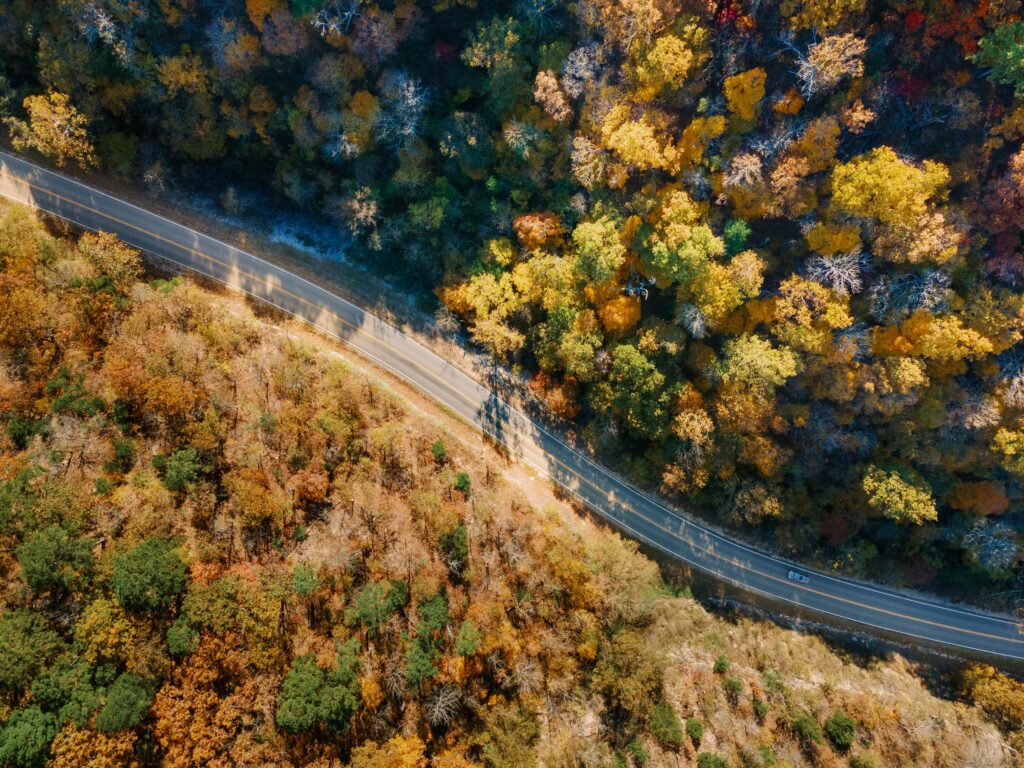
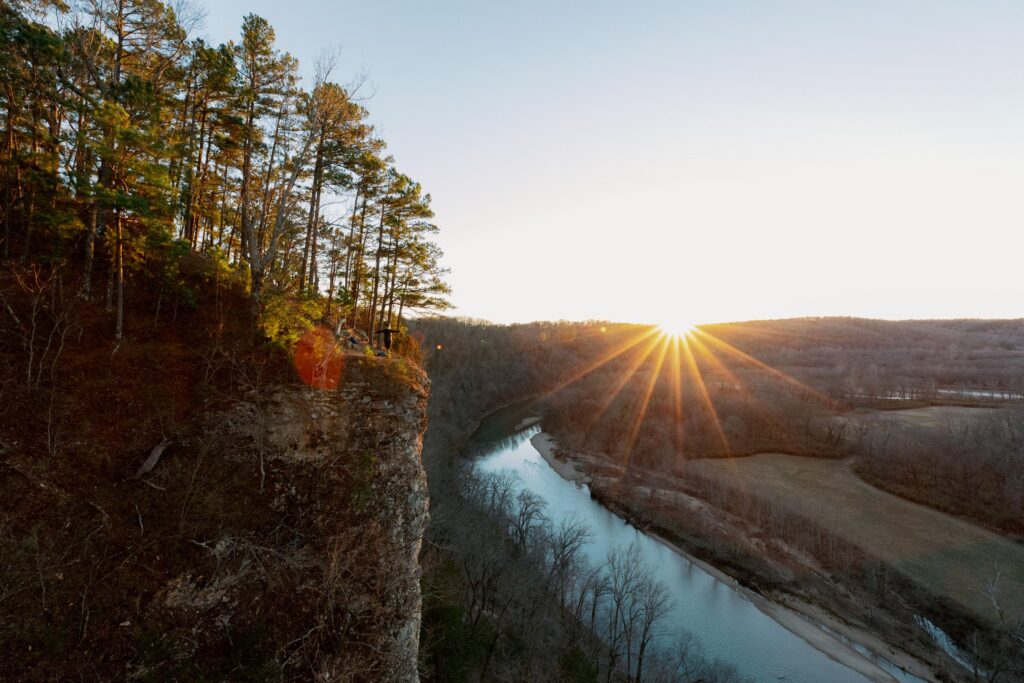
To see Oklahoma fall colors in Cherokee County, use late October into early November as your planning window, based on KJRH’s reported average for Green Country. That is a regional guide, not a guarantee that every hillside near Tahlequah will peak on the same weekend.
Start there when choosing dates, then check recent conditions before leaving. A useful foliage plan gives you a good chance of seeing color without making the whole trip depend on one predicted day.
When do fall colors peak near Tahlequah?
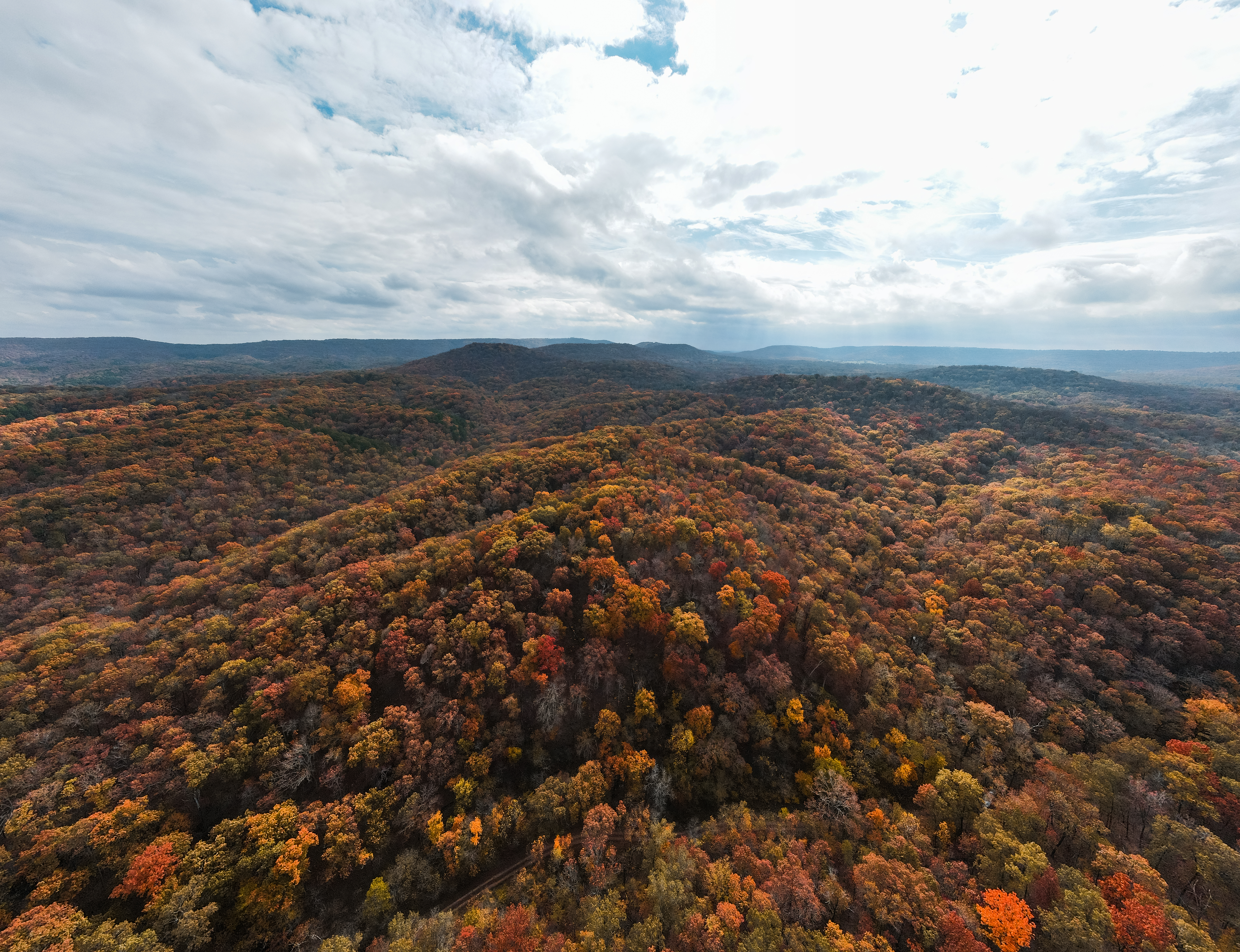
KJRH places Green Country’s average peak in the last week of October and the first week of November, while TulsaKids’ Oklahoma foliage guide also points to the latter part of October into early November (KJRH). Those estimates give you a sensible starting point for northeastern Oklahoma, rather than a fixed date to put on every tree.
If you can choose between weekends, begin with that window and compare the conditions closer to your trip. If your dates are fixed, choose an outing you will enjoy even if the color is still developing or some leaves have already fallen.
“Peak” is useful shorthand, but trees do not all change together: Nebraskaland’s foliage explanation notes that different species follow different timing, with some oaks coloring after other trees have shed their leaves. A green tree beside a red one is not necessarily a sign that you chose the wrong weekend.
How to choose your weekend without guessing
Start with your actual travel flexibility. A short trip from home and a prepaid cabin weekend call for different decisions, even if you are watching the same forecast.
Before reserving:
Choose dates within the broad planning window, then read the property’s cancellation deadline, minimum stay and change policy. Do not reserve two weekends on the assumption that you can cancel one at the last minute.
Before your cancellation deadline:
Compare the latest available foliage estimates and dated local photographs. Make any booking decision while you still understand the financial consequences, not automatically on the Monday before travel.
A few days before leaving:
Check the weather and your destination’s access information. Confirm that a photograph shows the actual place you plan to visit and was taken this season.
On the day:
Give yourself enough daylight for the walk or drive you chose. Take the outing as it comes rather than adding unfamiliar roads in pursuit of a color forecast.
For a broad overview, consult the ExploreFall Oklahoma foliage map, which labels its foliage information as estimates and distinguishes its map from local reports. Check the date shown and use it alongside destination-specific information, not as proof of what a particular trail looks like today.
Why the date and the color change
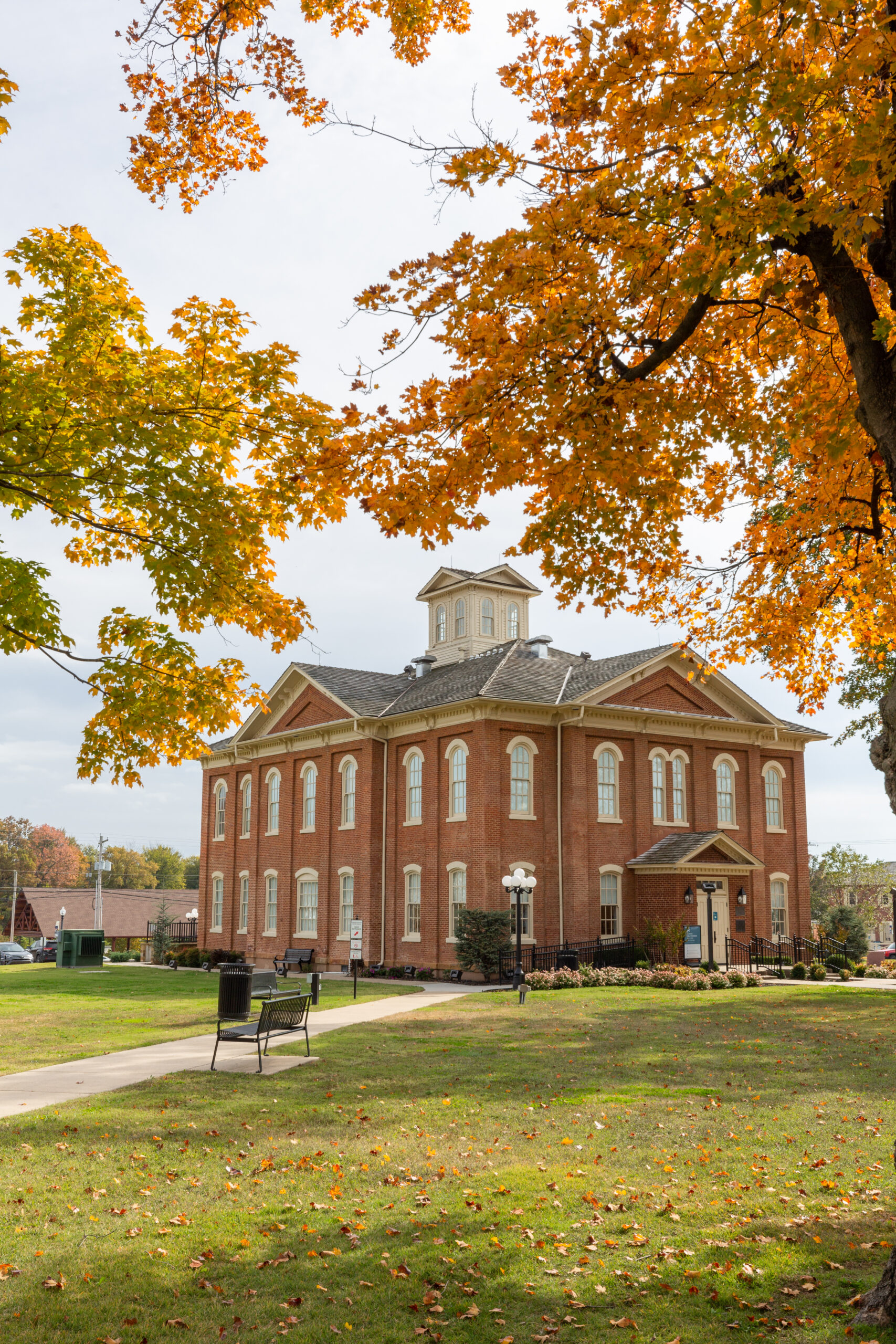
The most dependable seasonal cue is the increasing length of night, not a particular overnight temperature: as nights lengthen, chlorophyll production slows and eventually stops, allowing other leaf colors to show (U.S. Forest Service). Weather influences the display, but a run of nights in the 40s is not a countywide countdown to peak.
Sunny days and cool nights help the reds
Warm, sunny days followed by cool, nonfreezing nights favor brilliant fall color (National Weather Service). The colors involve pigments including anthocyanins and carotenoids, which become visible as green chlorophyll breaks down (U.S. Forest Service).
Do not wait for a freeze as your signal to visit. Leaves can begin changing before frost, and a hard frost can cause them to wither and fall rather than improve the show (National Weather Service).
Drought does not mean “move your trip one week earlier”
Drought stress can produce early browning and leaf loss, while drought can also delay the onset of fall color; neither supports a simple rule that a dry September always advances peak by a week (KJRH, Nebraskaland). Read current conditions rather than trying to calculate a peak date from rainfall alone.
Likewise, wetter weather is not an automatic promise of a later, brighter display: the National Weather Service notes that warm, cloudy and rainy fall conditions can reduce coloration. The practical lesson is to keep both timing and expectations flexible.
Which trees and shrubs supply the color?
Look at more than the brightest red patch beside the road. Different species contribute different colors and can change at different times, so one plant is a clue about itself, not a reliable clock for the entire canopy (Nebraskaland).
| Tree or shrub | Colors to look for | How to read what you see |
|---|---|---|
| Sumac | Vibrant red; flameleaf sumac can turn crimson and scarlet (OSU Extension, OSU tree guide). | Enjoy the red shrubs, but do not use them to declare that the surrounding trees are at peak. |
| Sweetgum | A mix of yellow, orange, red and purple (OSU Extension). | Look for variety within the display rather than expecting every tree to turn the same shade. |
| Blackgum, also called black tupelo | Red-orange to burgundy; among the earlier trees to turn (USDA NRCS). | An early red tree does not mean you have already missed the broader season. |
| Hickories | Yellow and gold (OSU tree guide). | Give the gold foliage some attention instead of judging the whole outing by how much red you find. |
| Oaks | Red, brown and russet; often color later than other trees (U.S. Forest Service, Nebraskaland). | Later oak color can still be worth seeing, but it does not guarantee a full hillside of leaves on a particular November date. |
These are viewing clues, not an identification key or a five-step calendar. If you cannot identify a tree confidently, describe the color you see rather than assigning it a species or using it to forecast the next weekend.
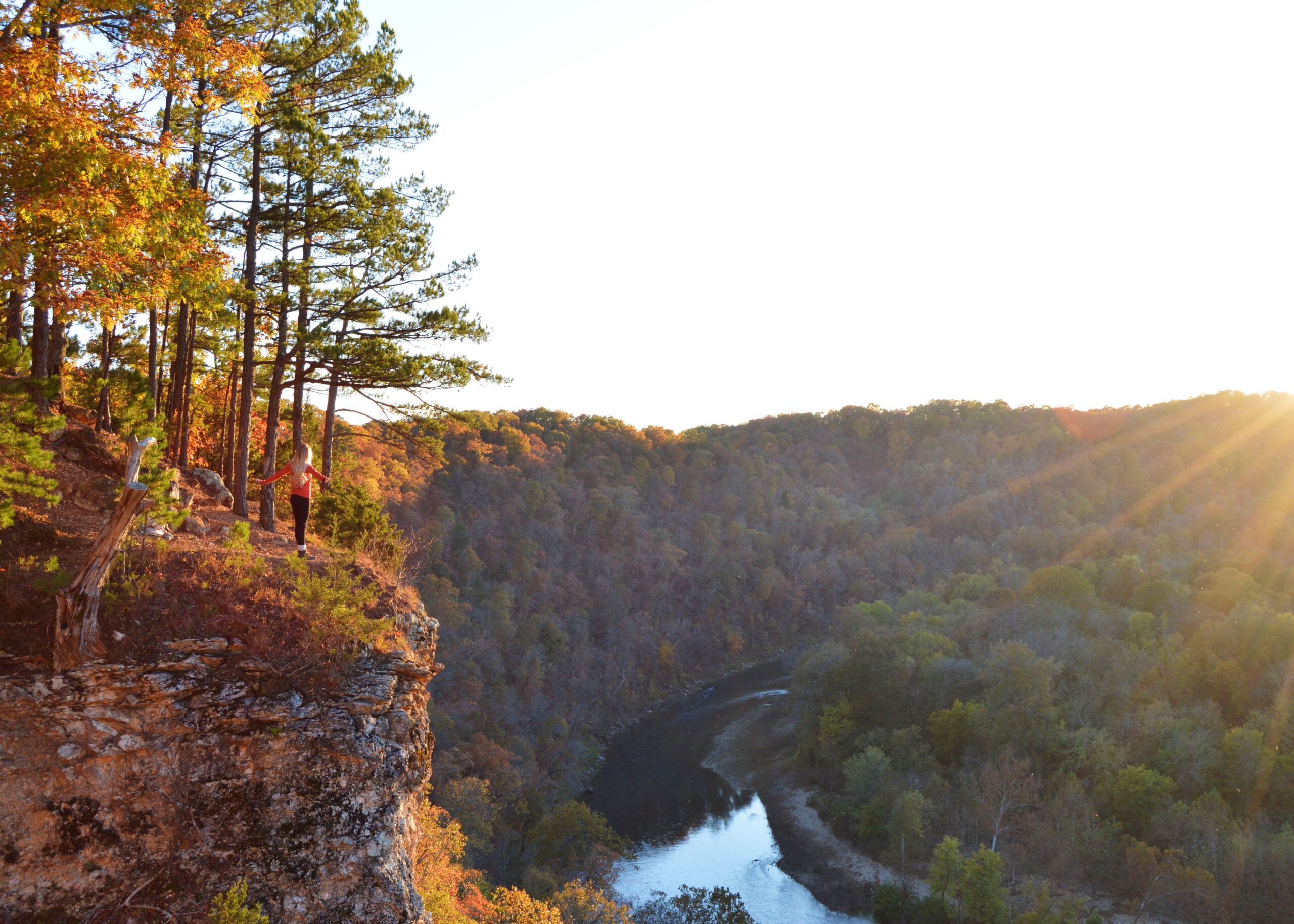
What if you arrive before or after peak?
Before widespread color, make the most of individual trees and smaller scenes rather than expecting every hillside to look the same. Try a photograph of a single branch or a walk chosen for the experience itself.
Later in the season, look for the colors still present instead of measuring the trip against a photograph from a different week. Do not assume that driving to a valley, shoreline or higher ridge will automatically put you back at peak.
Keep the outing grounded in the place you came to visit. Use the Cherokee County fall getaway guide to build a trip with more than foliage on the agenda, then save room to linger when you find a view you like.
Choose where to go after you choose when
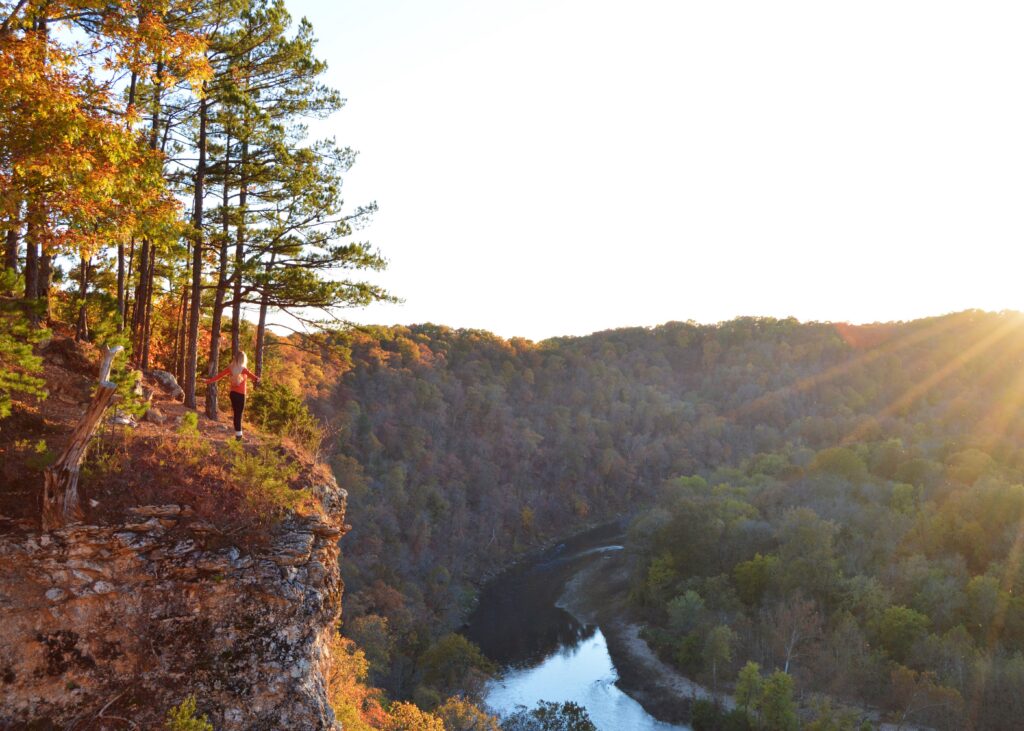
Decide whether you prefer a scenic drive or time on hiking trails, then choose a destination with clear visitor access. For an outdoor stop, J.T. Nickel Preserve offers designated nature trails and daylight access; dogs are not allowed and Bathtub Rocks is permanently closed.
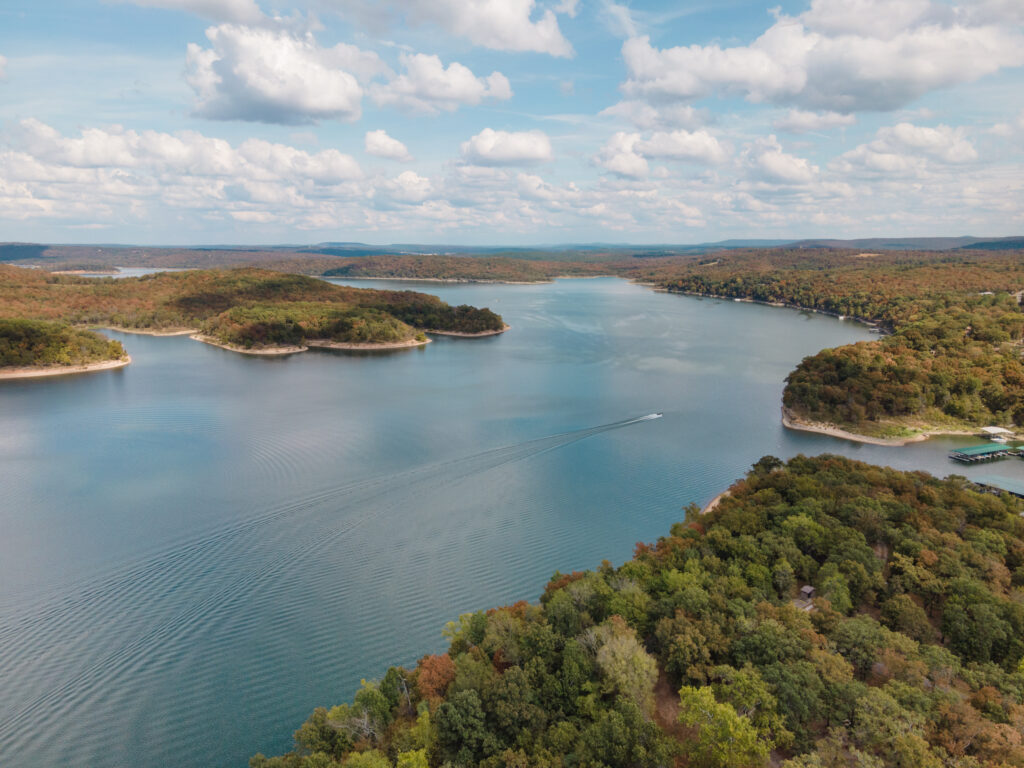
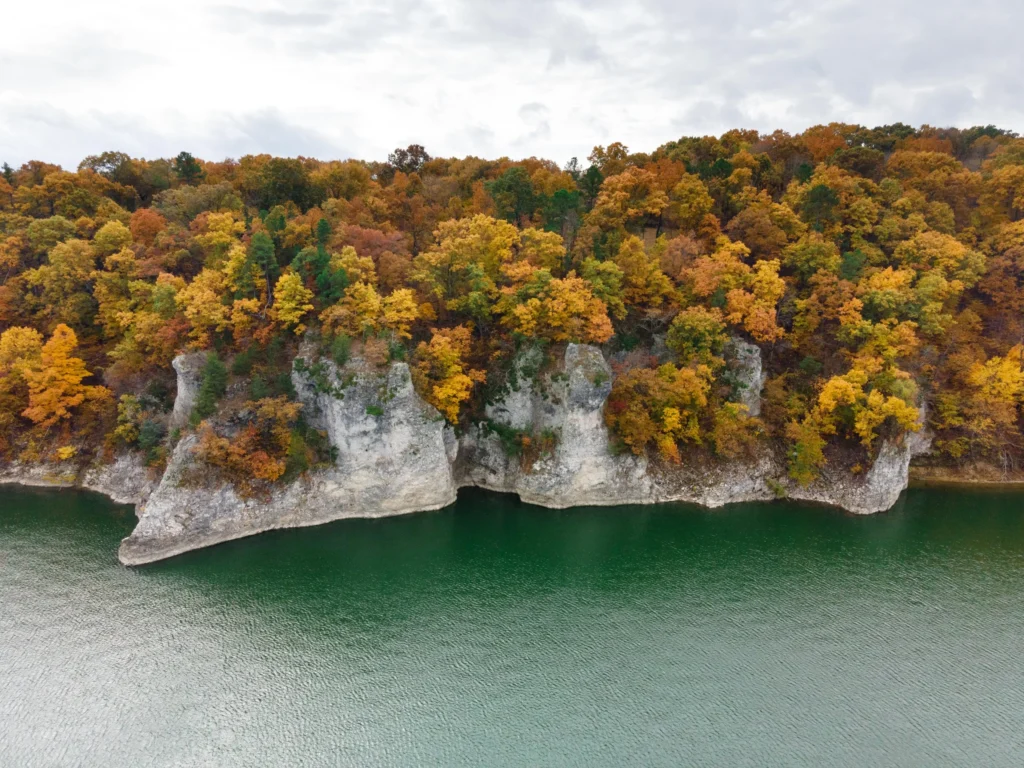
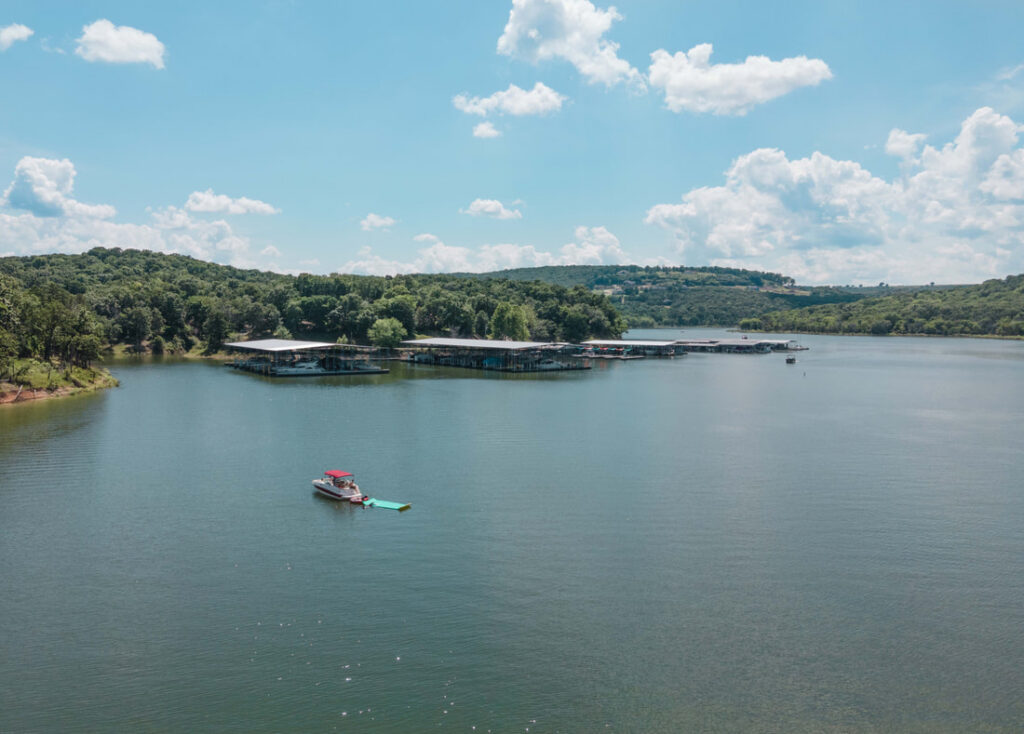
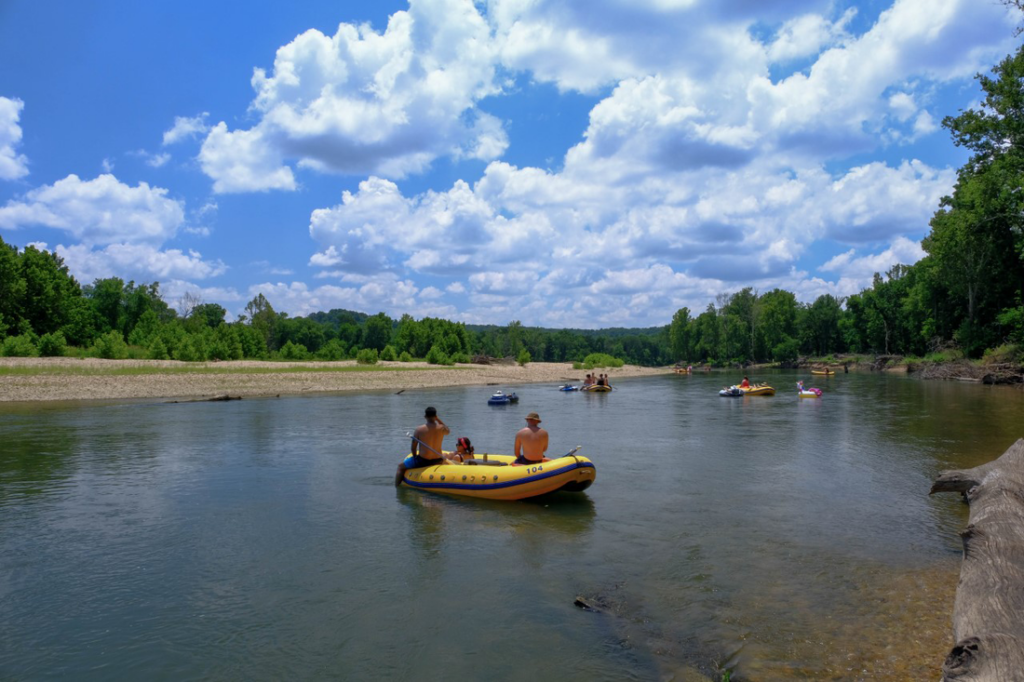
Use the Illinois River visitor guide or Lake Tenkiller visitor guide to choose the setting that suits your trip. Avoid turning “find some fall color” into directions to an unnamed overlook or an unmarked roadside opening.
Common questions about Oklahoma fall colors
Yes. OSU Extension describes Oklahoma’s autumn palette of maples, oaks, sumac, cottonwoods, sweetgums and hickories, but the mix and intensity depend on the place and the season.
No. The start of the season is not the date when every tree reaches its strongest color; for a trip near Tahlequah, the late-October-to-early-November Green Country average is the more useful planning reference (KJRH).
There is no dependable one- or two-week guarantee for a particular Cherokee County location. Species timing, moisture and weather affect the display, so check recent conditions instead of assuming the previous weekend’s photograph still represents the view (Nebraskaland).
There is no single booking deadline for every property. Compare cabins and vacation rentals for your dates, confirm availability directly, and choose terms you are comfortable with before committing to a foliage-focused trip.
Explore the Award-winning Visitor Guide

Tahlequah and Cherokee County's official Redbud Award-winning visitor guide packs three days of hikes, floats, rides, and fish into one download. Trip ideas, mileage, and outfitter contacts, ready before you leave home.